Summer STEM Institute 2026
A summer that moved ideas into classrooms.
Across New York City, educators learned from educators: testing investigations, questioning old assumptions, building new tools, and finding the people who will keep the work moving long after summer ends.
The core institute
Five weeks. Many entry points. One shared commitment to better teaching.
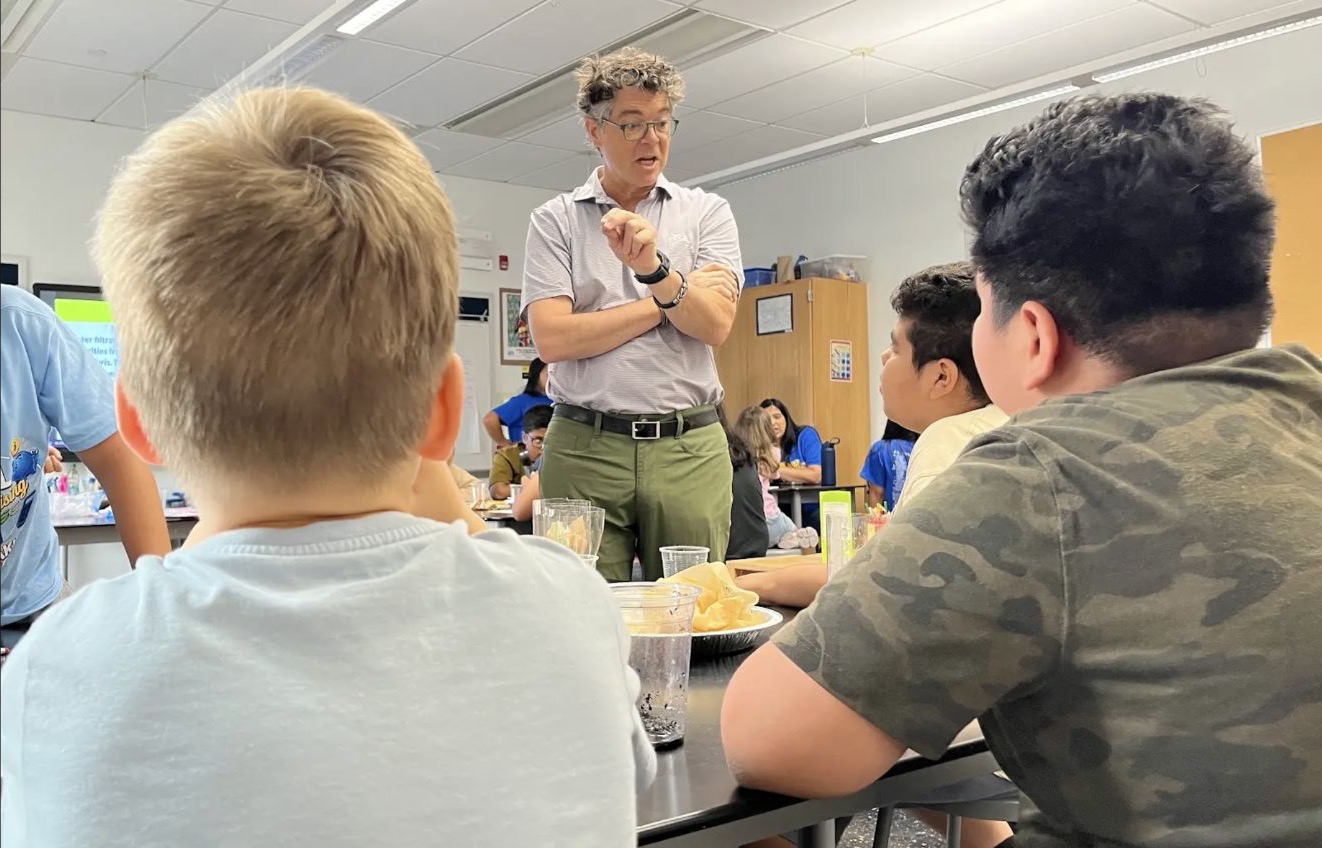
The 2026 Institute began with teachers learning how to lead and grew into a citywide laboratory for STEM education. Some educators came for a focused three-hour mini. Others spent four or five full days immersed in Regents investigations, assessment design, or climate science. Many returned for more than one experience.
Teachers did the science—not just talked about it.
At City College, educators worked through the new Regents investigations from both sides of the lab table. They collected evidence, compared classroom adaptations, examined assessment expectations, and left with plans grounded in the realities of their own students and schools.
“Seeing what actual teachers do in their classrooms is helpful.”— Summer 2026 participant
Collaboration turned ideas into plans.
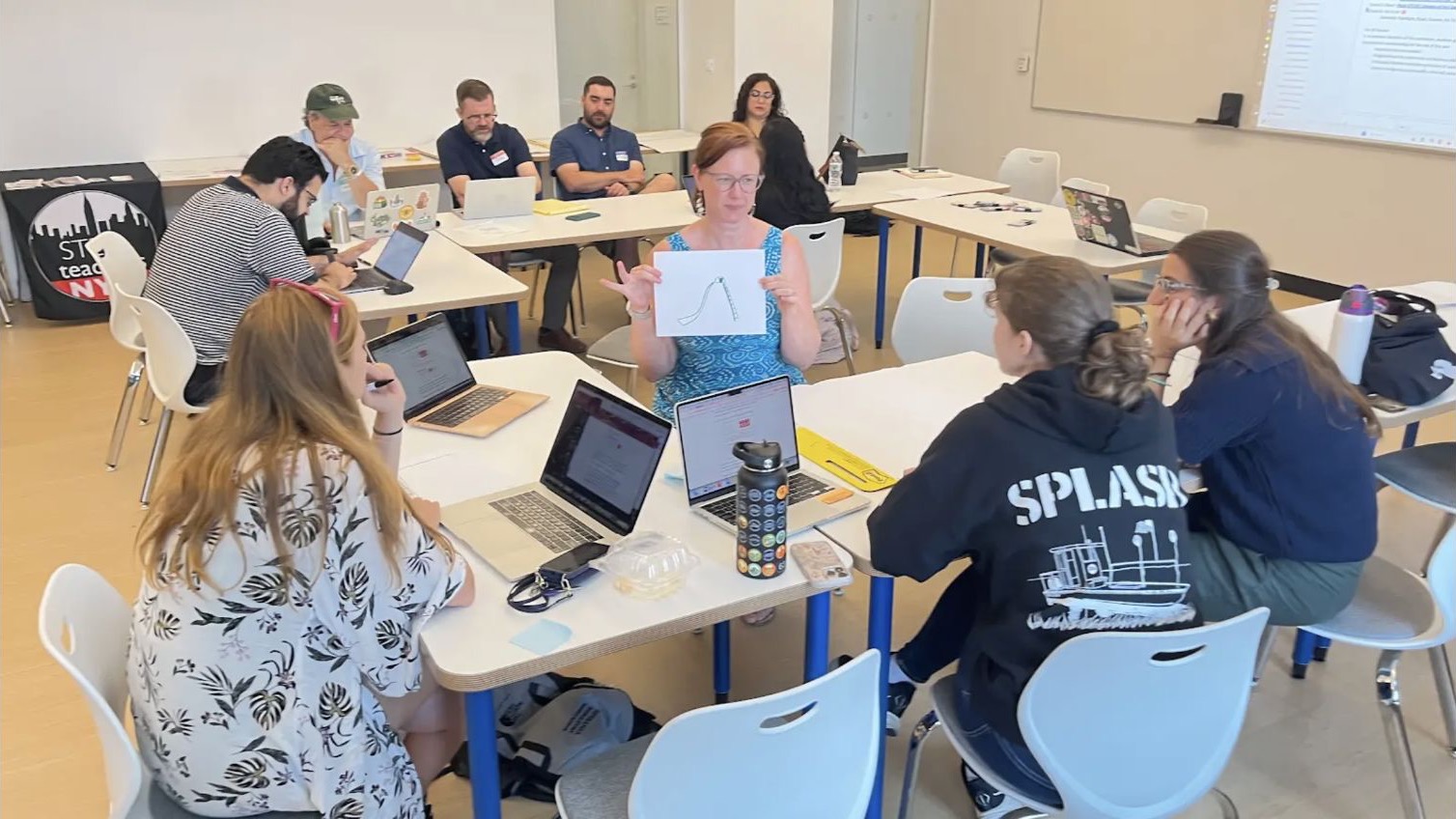
The strongest moments were not lectures. They were the table conversations, peer critiques, model revisions, and time set aside to make something useful. Teacher leaders brought their own classroom practice; participants brought questions that made the work sharper for everyone.
“Practical, collaborative, and directly connected to classroom teaching.”— Summer 2026 participant
What educators explored
Learning crossed subjects, grades, and career stages.
The Institute made room for deep disciplinary practice and the creative connections that help more students see themselves in STEM.
Teachers becoming leaders
Learning to Lead and Kid Talk Teacher Talk helped educators strengthen facilitation, student discourse, and the confidence to lead learning in their own communities.
Regents work made practical
Chemistry and Physics Regents Labs, Biology Regents Bootcamp, and Earth Science Regents Bootcamp put teachers inside the investigations—first as learners, then as designers for their own students.
More ways into STEM
Astronomy through dance, zine making, stop-motion animation, AI, and Google Sheets invited educators to connect STEM with creativity, communication, and tools they can use right away.
Systems, equity, and the future
Climate and environmental science, green careers, and standards-based feedback and assessment gave teachers time to rethink both what students learn and how learning is supported.
Inside Summer 2026
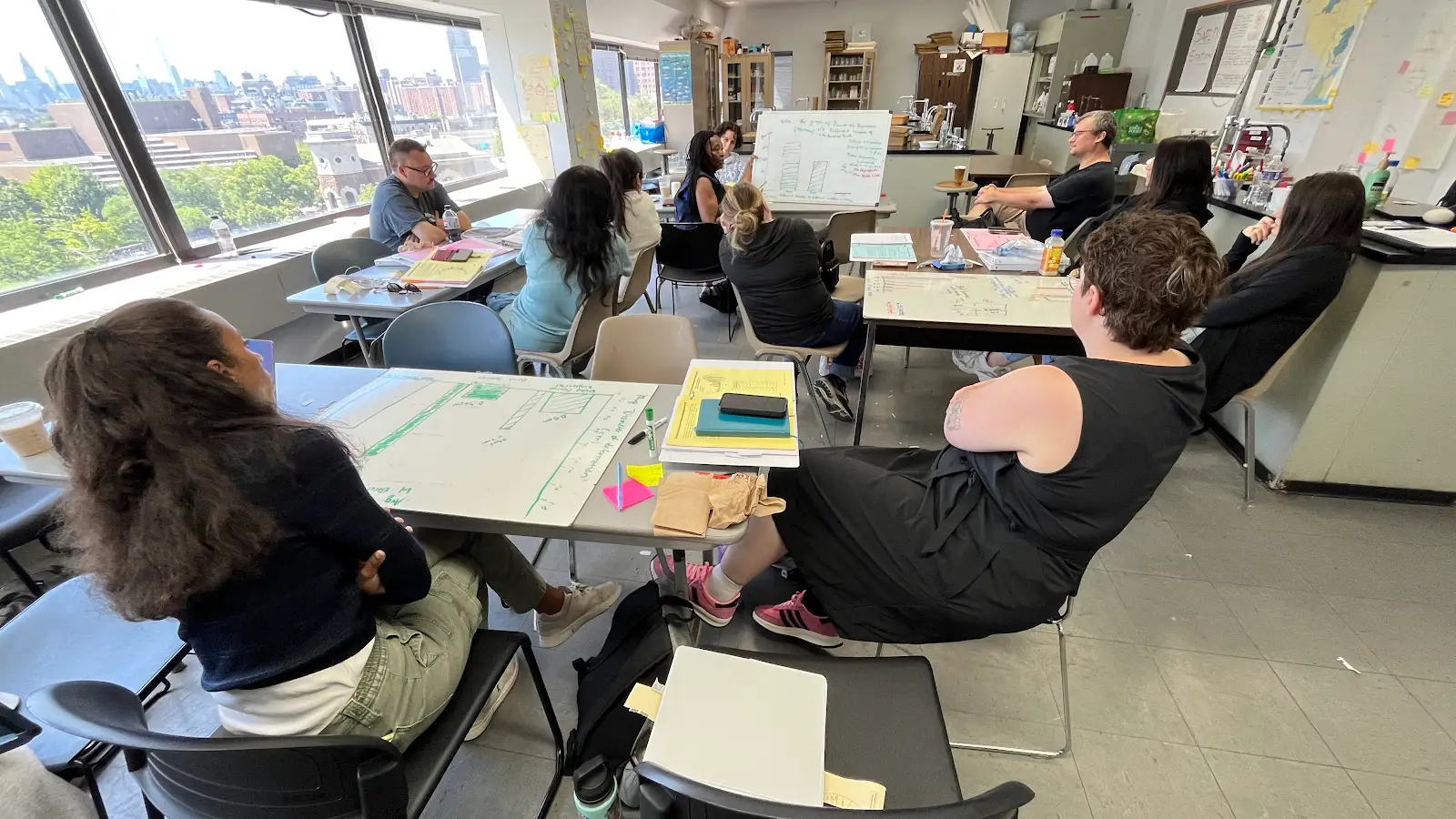
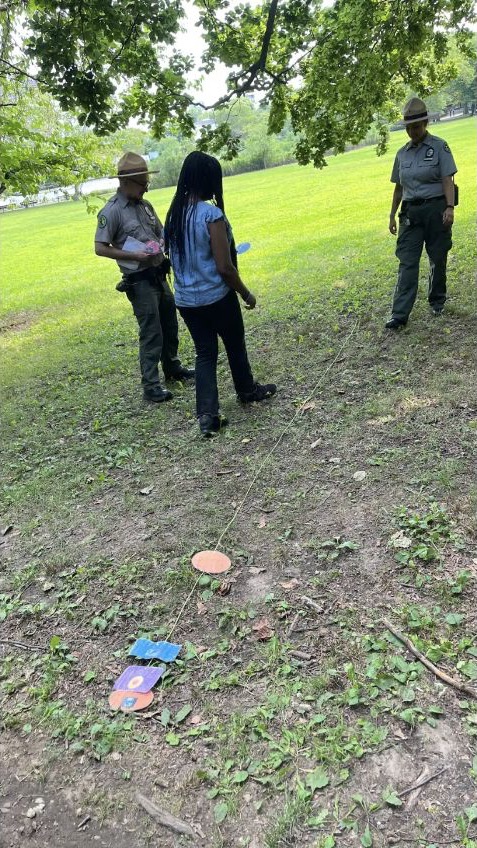
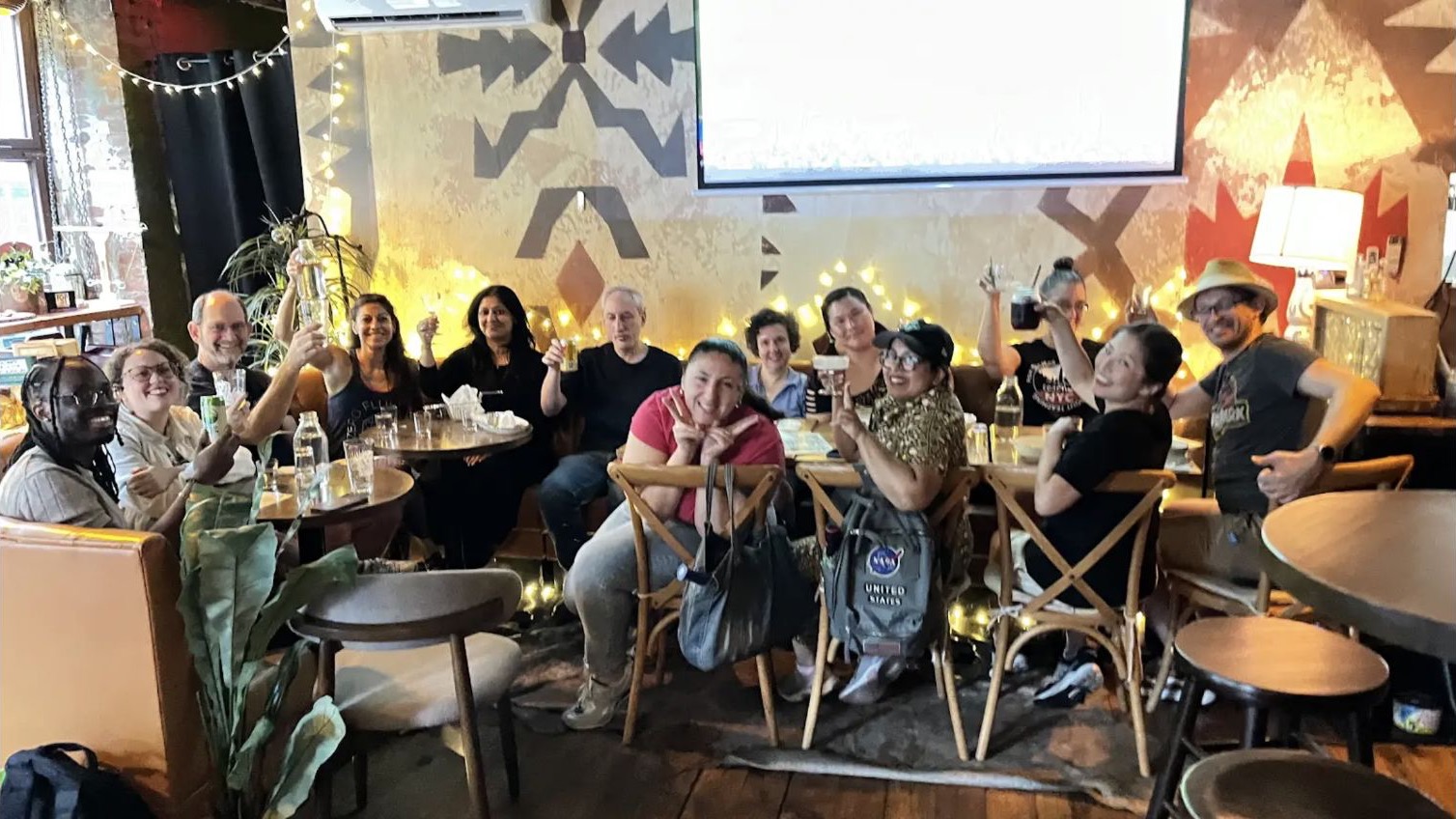
This is what teacher-led learning looked like.
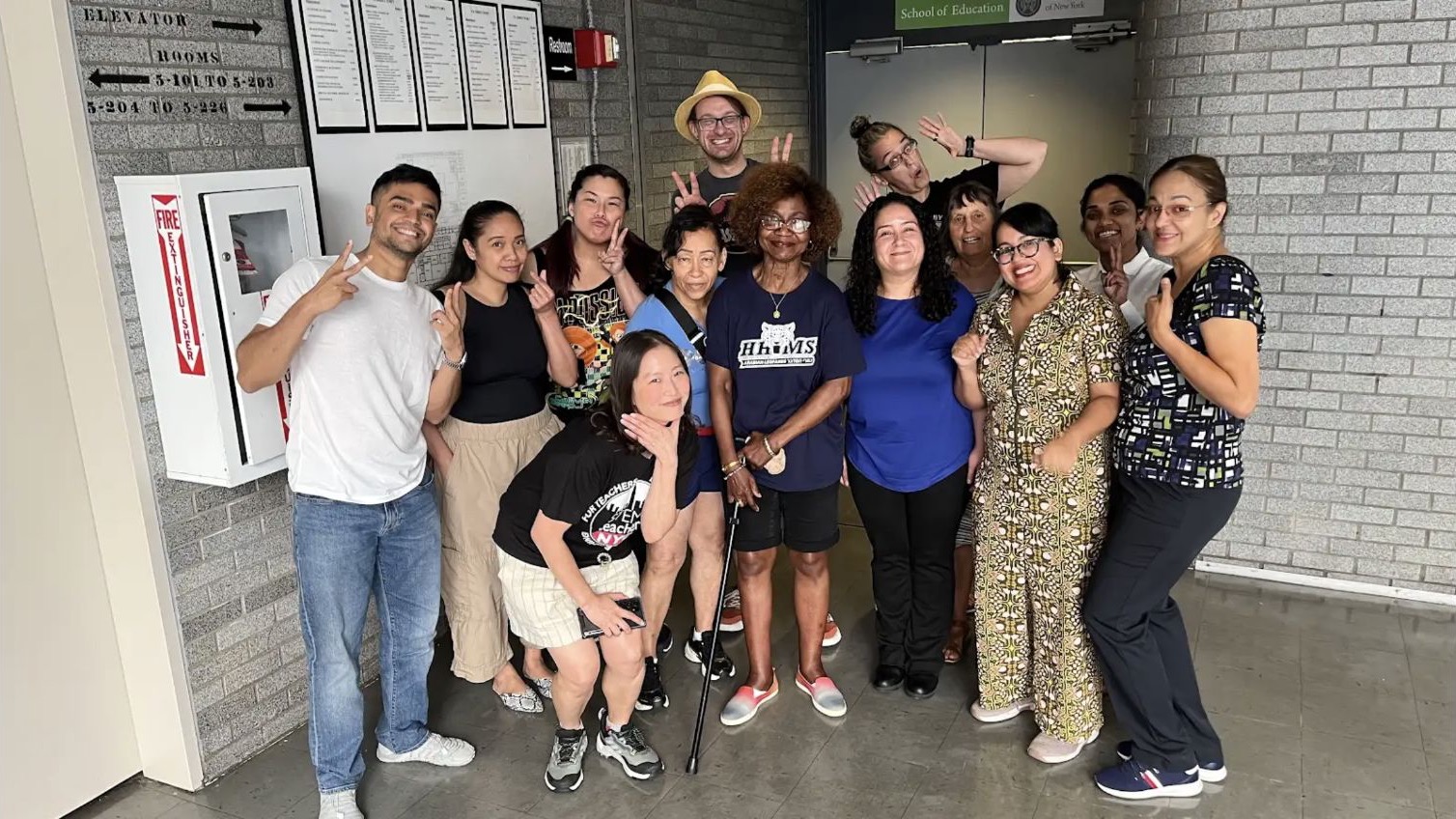
Across labs, classrooms, and gathering spaces, educators tried ideas together, made their thinking visible, and turned shared experience into classroom-ready practice.
What participants told us
Useful now. Built to travel.
The value of the Institute is what happens next: a lab redesigned, a conversation with a colleague, a new assessment system, or a student invited to think in a different way.
Engaging and clear
Agreed or strongly agreed that the workshop was engaging and the content was clear.
Stronger professional practice
Said the experience would deepen or improve their professional skills as educators.
Headed to classrooms
Expected to incorporate what they learned in their own classrooms.
Shared beyond the room
Said they were likely to share their learning with another teacher.
Based on 94 exit-survey responses from the 14 core learning experiences held June 30–July 31, 2026.
In her own words · Edith Schneider
Professional learning that is ready for the classroom.
Edith describes the most immediate measure of value: leaving with practical learning an educator can put to work right away.
More than workshops
Community is part of the curriculum.
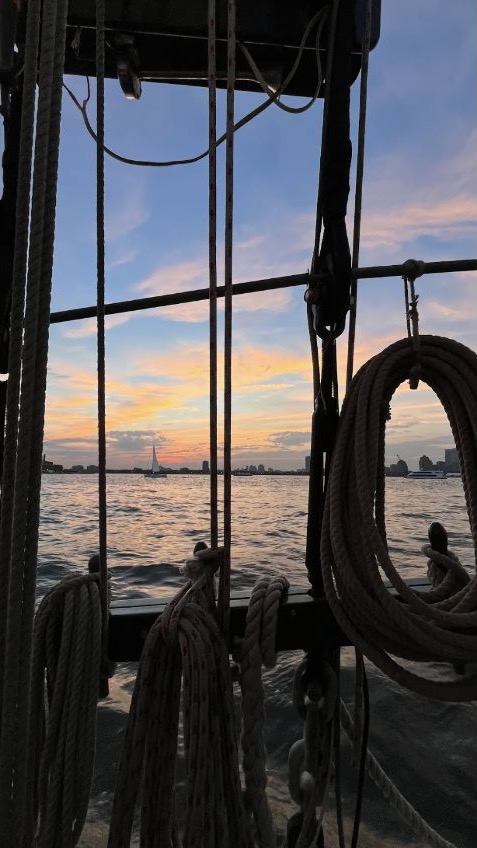
A sunset sail on the Pioneer gave teacher leaders and participants a different kind of space to connect. The conversations continued beyond agendas and classrooms—the kind of relationships that make a professional learning community last.
In his own words · Chris Resch
Teaching is a team sport.
Chris explains why the professional network is not an extra—it is part of what helps the learning last.
August extensions
Carrying summer learning toward the school year.
Exploring Green Careers
A classroom-ready high school curriculum developed with Solar One.
Newtown Creek Educator Tour
A behind-the-scenes learning experience with NYC environmental infrastructure.
Starting the Year Off Right
Practical support for preservice and early-career teachers.
With gratitude
Made possible by educators who chose to lead.
Thank you to every workshop leader, host, partner, staff member, volunteer, scholarship supporter, and participant who brought expertise, care, and honest questions to Summer 2026.
In her own words · Jessica Kim
Access is how community grows.
Jessica connects scholarships and fewer barriers with the ongoing professional community educators need. Summer 2026 records show what that support made possible.
2026 workshop leaders & speakers
- Chris Resch
- Greg Benedis-Grab
- Jason Sullivan
- Michelle Velho
- Joan Christou
- Sabrina Alkayfee
- Kara Luce
- Jessica Kim
- Asya Shpiro
- Alan Zollner
- Jason Klein
- Joanne Pledger
- Ruth Spencer
- Ethel Khanis
- Paul Feffer
- Bridget Ierace
- Brendan Harney
- Allan Powe
- Kristina Coker
- Liza Backman
- Glen E. Stuart
- Jessica Genter
- Sharona Kahn
- S.K. Smith
- Mark Schober
- Joshua Frost
- Brian Levine
- Juliette Guarino Berg
Hosts & program partners
- The City College of New York
- Marymount School of New York
- St. Francis College
- P.S. 130K
- Solar One
- University of Lancashire
- NYC Department of Environmental Protection
- Pioneer schooner crew
Invest in Summer 2027
Help the next great classroom idea find its teacher.
Support helps STEMteachersNYC keep workshops affordable, provide scholarships, equip hands-on learning, compensate teacher leaders, and welcome more educators into a community built for lasting impact.
About the figures: Registration counts represent unique email addresses and workshop seats in the consolidated Summer 2026 participant records through July 31. Survey percentages combine “Agree” and “Strongly agree” responses. August extension programs are described separately and are not included in the core totals above.