
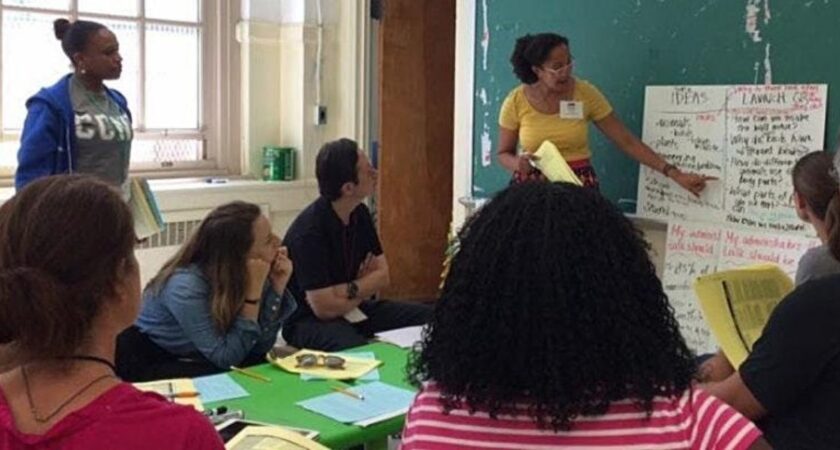
Communication standards serve as a unifying feature in learning environments designed to deepen engagement and intentionally address systemic inequalities.
Read More
Communication standards serve as a unifying feature in learning environments designed to deepen engagement and intentionally address systemic inequalities.
Read More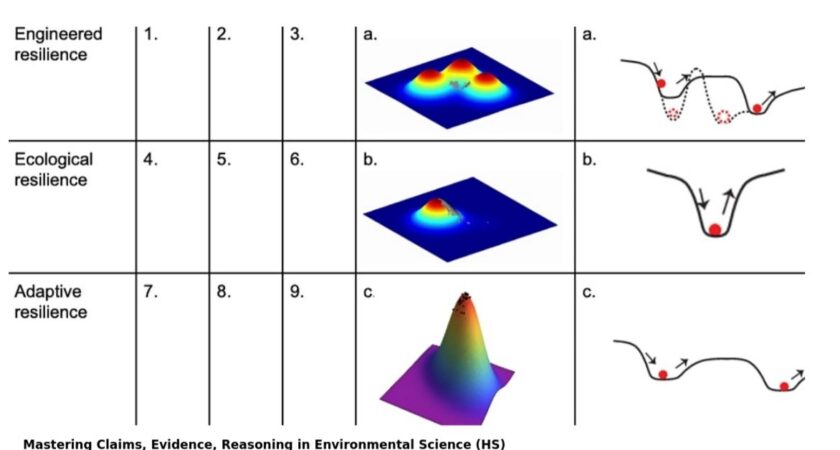
: In this 2 part virtual workshop, you will learn how responsive teaching can leverage the Claims Evidence Reasoning (CER) framework in the Environmental Science classroom to make student thinking visible.
Read More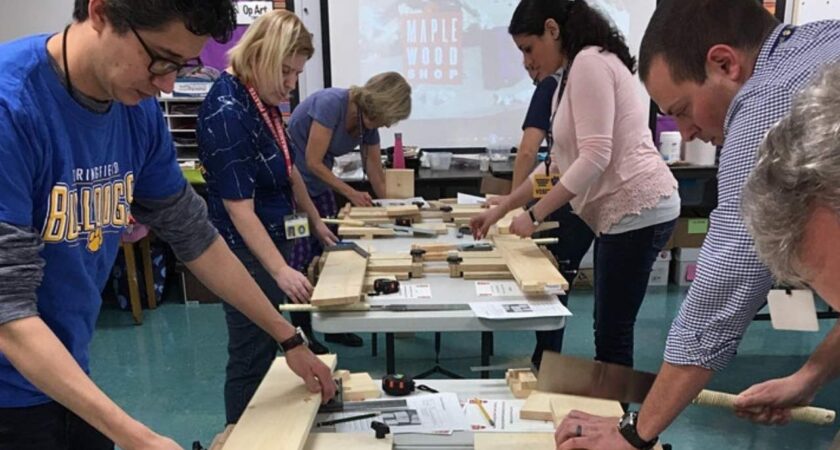
Join Maplewoodshop for a session of hands-on woodworking! No prior experience needed. In this 3 hour workshop, you will learn how to use hand tools such as a saw, hammer, drill and more.
Read More
In the microscopic quantum world, how can a particle be in two places at once? This so-called “principle of superposition” is simply the way the world works, and, surprisingly,
Read More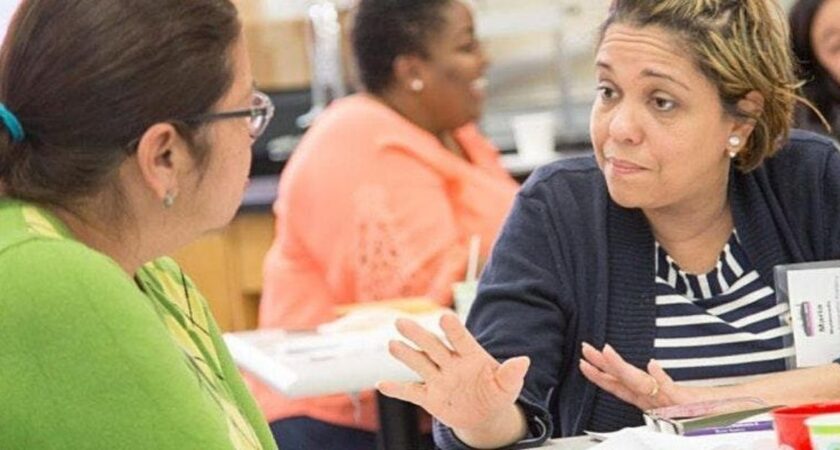
On average, teachers ask 400 questions per day; or roughly 70,000 questions per year. What are all these questions for? In what ways do these questions cultivate curiosity, foster dialogue, and build your students’ science identities?
Read More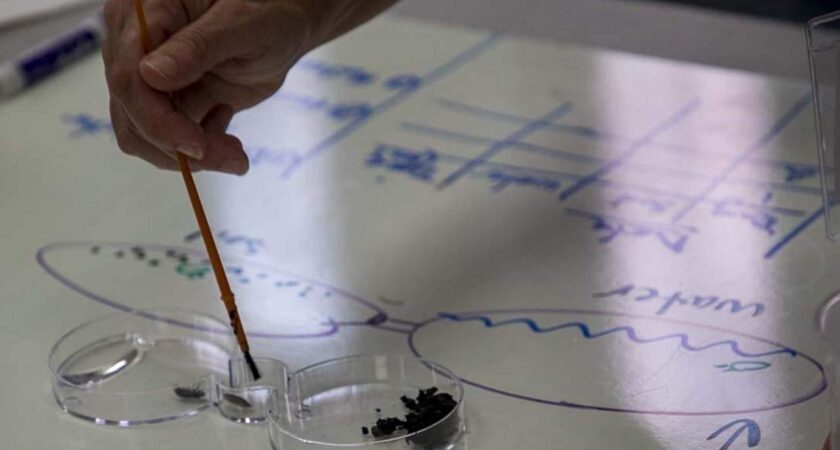
The New York State Living Environment contains four required labs that are tested on the regents exams. However, as many educators have noted, these lab experiences are extremely cookie-cutter in nature.
Read More