
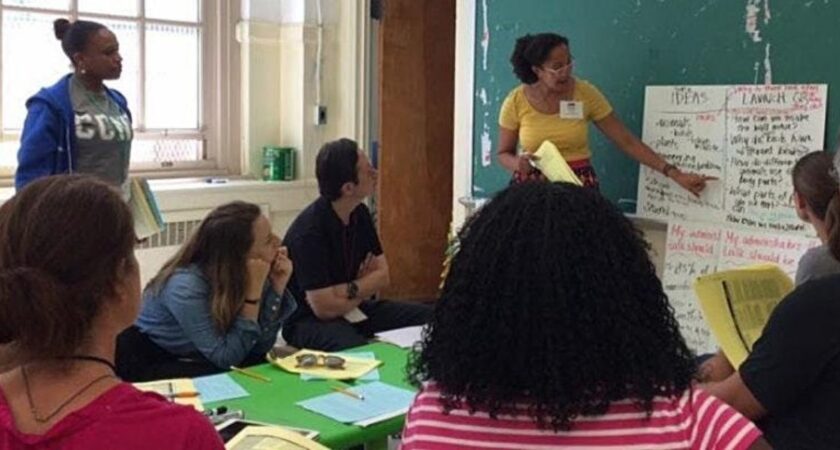
Communication standards serve as a unifying feature in learning environments designed to deepen engagement and intentionally address systemic inequalities.
Read More
Communication standards serve as a unifying feature in learning environments designed to deepen engagement and intentionally address systemic inequalities.
Read More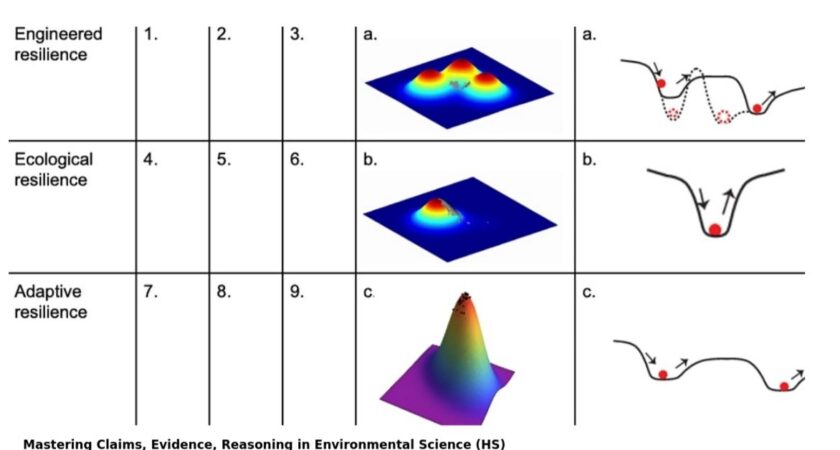
: In this 2 part virtual workshop, you will learn how responsive teaching can leverage the Claims Evidence Reasoning (CER) framework in the Environmental Science classroom to make student thinking visible.
Read More
To delve deeper into the unit’s driving questions, we start with the concept of pH, or “power of hydrogen.” Students review a graphic illustrating the pH scale and learn that substances can be classified as acidic, neutral, or basic.
Read More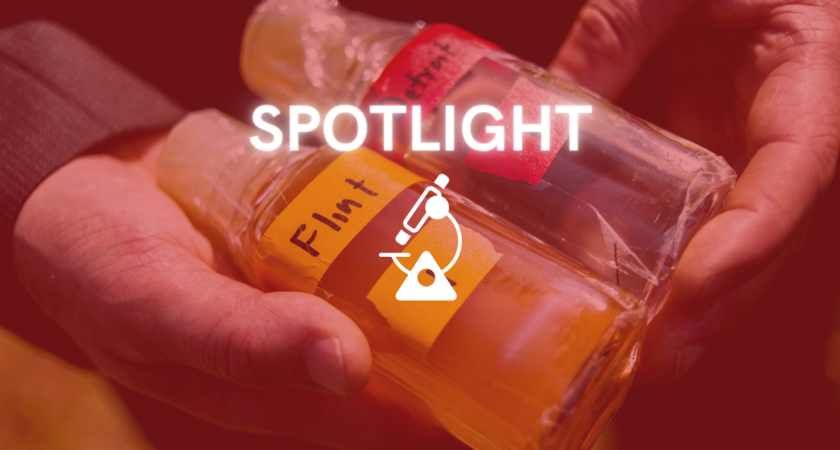
The Flint, Michigan water crisis drew national attention to the effects of unsafe drinking water and issues of equity and social justice. It also opened up opportunities for engaging in socio-scientific issues in the science classroom (Ewing and Sadler 2020). Students consume hundreds of gallo
Read More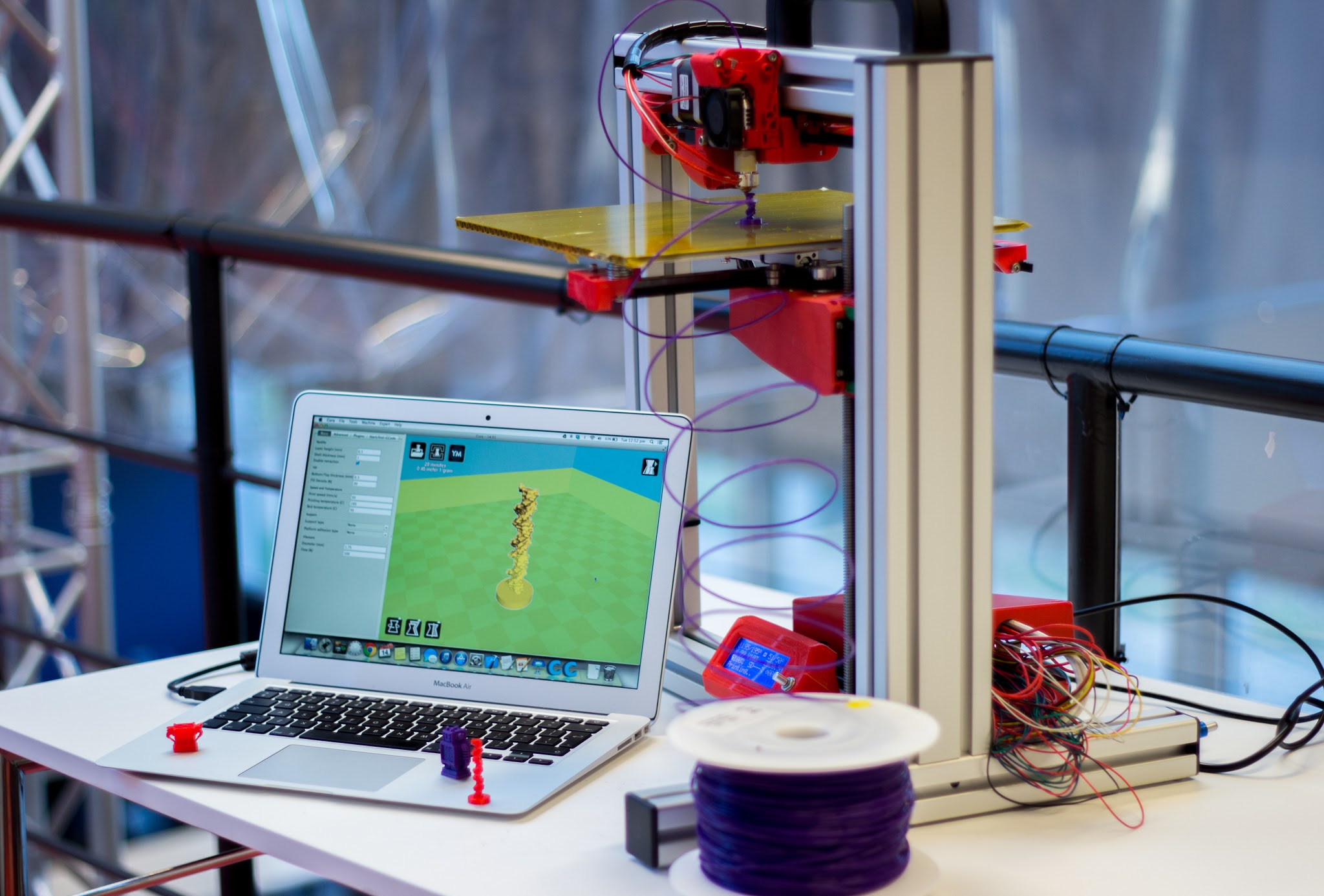
[vc_row][vc_column][vc_wp_text]Interested in learning more about the engineering and design process, and how to incorporate it into your classroom? This workshop is designed to show how you can infuse engineering and design thinking into your curriculum. Drawing from the NGSS Engineering Design standards…
Read More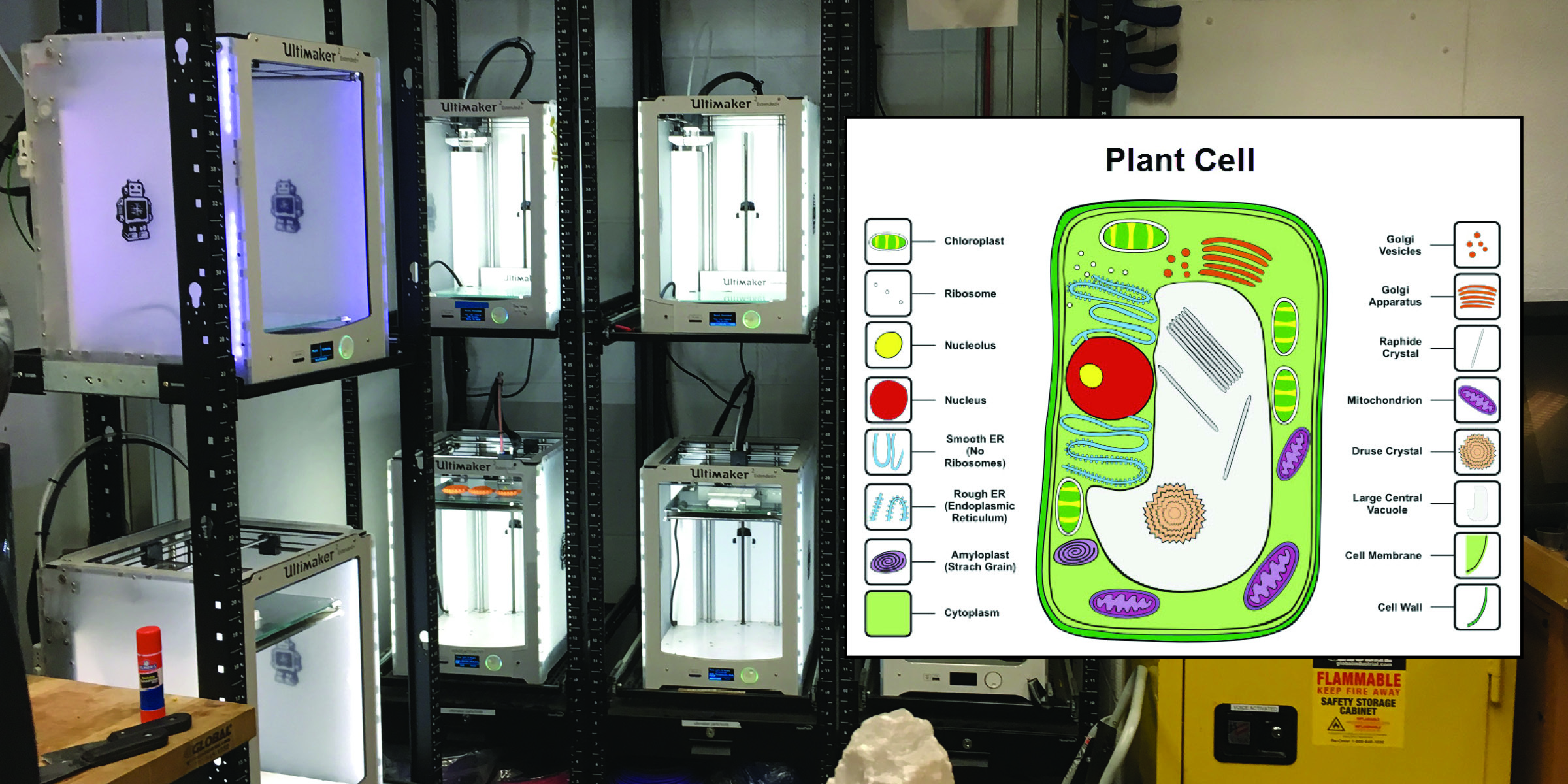
This workshop will explore a common question many teachers are facing: How do I effectively use an existing or new Makerspace lab, while also providing student-centered instruction that meets state standards?
Read More