

Did you know you can quantitatively determine static and kinetic friction coefficients with just a phone, table, and rubber band?
Read More
Did you know you can quantitatively determine static and kinetic friction coefficients with just a phone, table, and rubber band?
Read More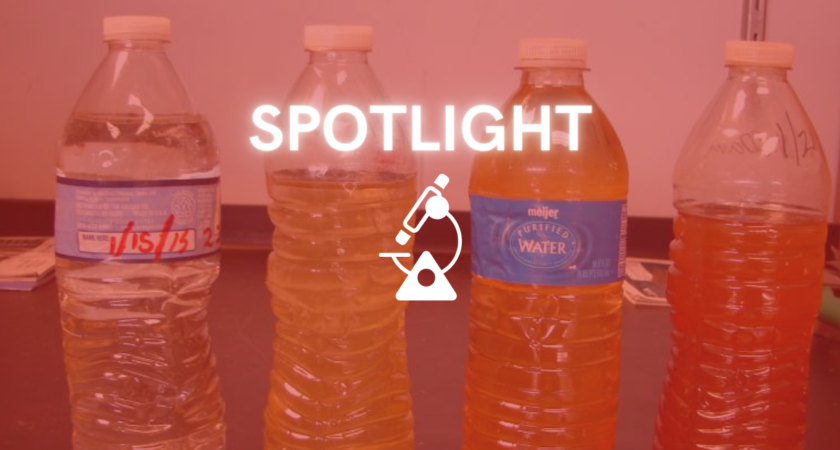
Upon learning that many of their water samples may be impure, students are motivated to devise a solution to contaminated drinking water.
Read More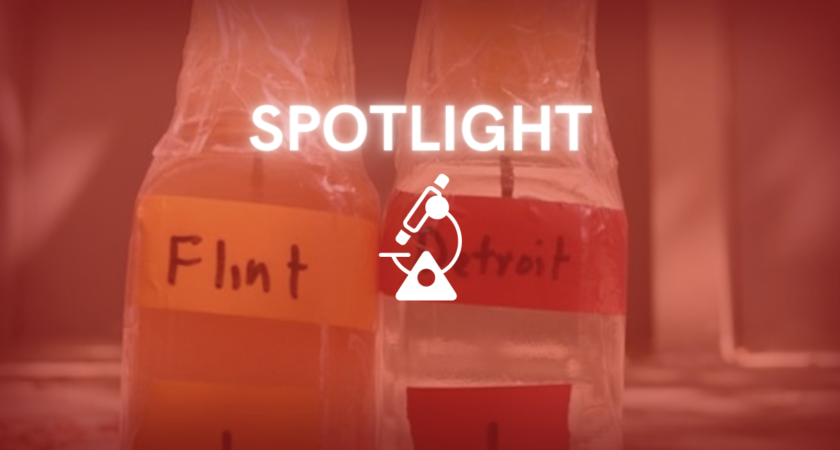
To delve deeper into the unit’s driving questions, we start with the concept of pH, or “power of hydrogen.” Students review a graphic illustrating the pH scale and learn that substances can be classified as acidic, neutral, or basic.
Read More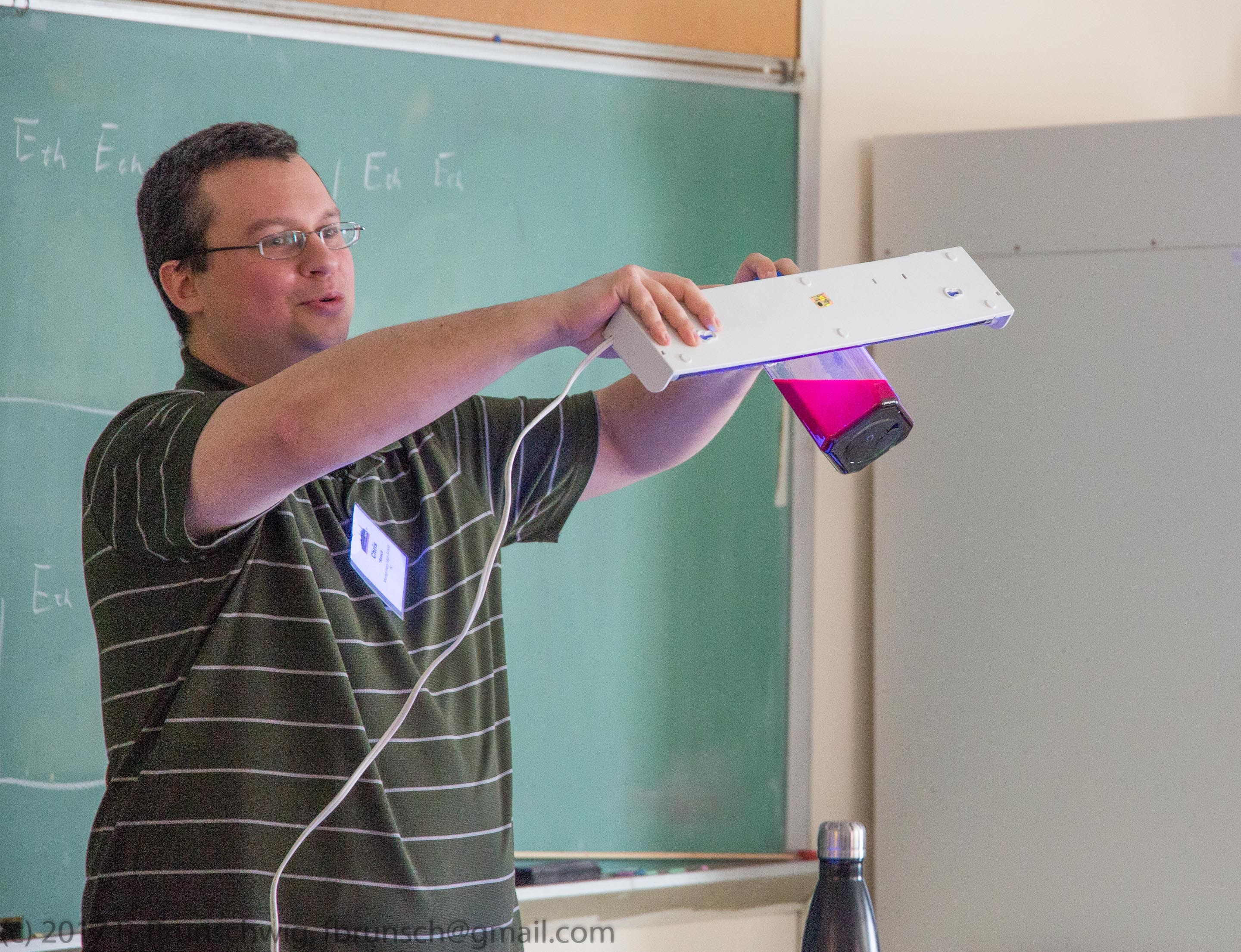
[vc_row][vc_column][vc_wp_text]This workshop will explore active learning strategies for deepening your students’ understanding of crucial concepts in biology and the living environment, and help you effectively implement a student-centered and NGSS aligned approach to science education. During this session, teachers will engage in…
Read More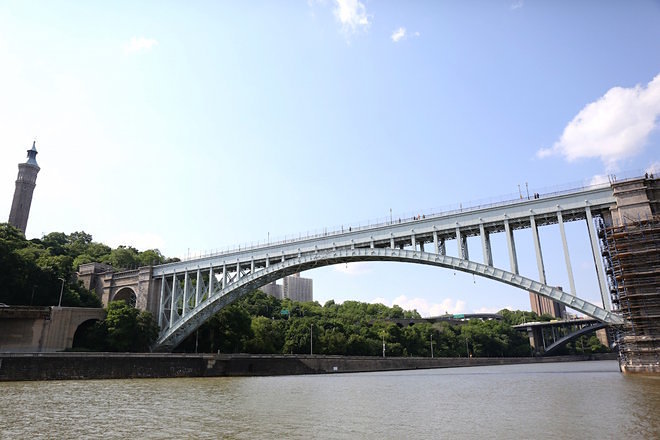
A Water Ecology & Engineering themed teacher-fun field trip to NYC’s oldest standing bridge, built in 1848 to bring water from the Bronx into Manhattan via the Croton Aqueduct.
Read More